

You are likely here because that persistent tingle in your palm or the sharp ache in your thumb has finally become too much to ignore. When you start searching for relief, you are immediately met with a confusing array of medical terminology. Do you need wrist support? Should you buy a wrist splint? Are they just different names for the same thing?
Orthopedic recovery can sometimes be confusing, but understanding the nuance between these supports is crucial for achieving the right level of healing. You might have heard, “Measure twice, cut once.” This puts the idea forward that choosing the right supportive device the first time ensures you aren’t wasting weeks on a treatment that doesn’t fit your specific injury needs.
While both a brace and a splint may look similar, the difference between them lies in the degree of immobilization they offer.
The Wrist Splint: Maximum Stability for Serious Healing
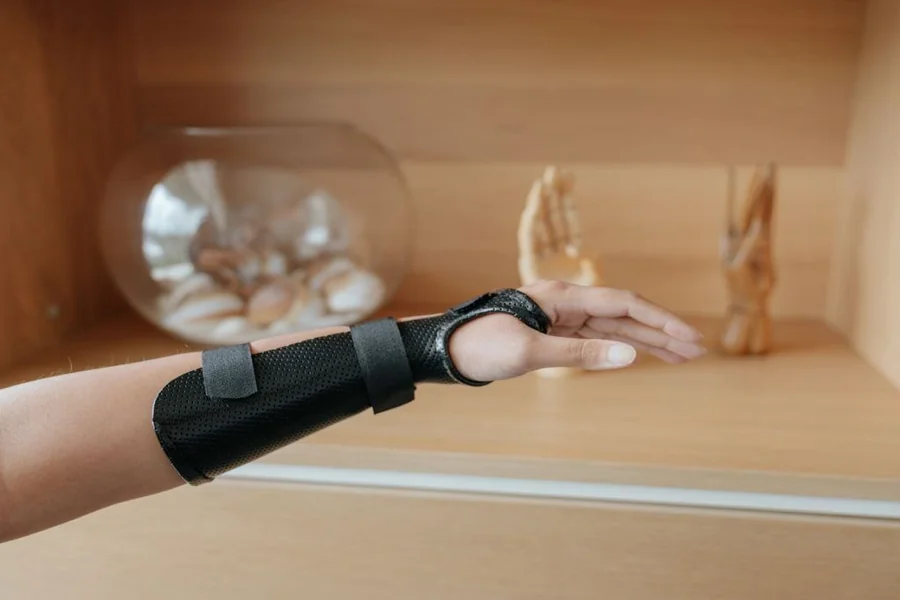
Think of a wrist splint as the “heavy hitter” of the orthopedic world. Its primary job is to stop movement entirely. Most splints feature a rigid stay, a piece of metal or hard plastic that runs along the palm or the back of the hand.
When you wear a wrist splint, you are essentially putting your joint in a temporary cast. This is crucial for conditions that require total rest to heal. Because it prevents you from bending your wrist in any direction. It makes the best solution for:
Carpal Tunnel Syndrome: By keeping the wrist in a neutral position, the splint prevents the median nerve from being squished during sleep.
Acute Sprains: Immediately after an injury, a splint prevents accidental movements that could tear healing ligaments further.
Post-Surgical Recovery: When your doctor says “don’t move it,” they usually mean you need the rigid support of a splint.
The Wrist Brace: Flexible Support for an Active Life
A splint is used to immobilize, while a wrist brace is used to stabilize. These are typically crafted from flexible, breathable and medical-grade fabrics like neoprene or knitted elastics. They provide customized compression and a sense of security without completely taking away your ability to move your hand.
You would choose a wrist support over a splint if you still need to perform daily tasks but want to limit the end-range of your motion. You might use one for:
Repetitive Strain Prevention: Keeping the joint warm and compressed during long typing sessions.
Mild Tendonitis: Gently supports the joint to effectively minimize swelling while still allowing light wrist and hand movement.
Weightlifting or Sports: Protecting the joint from sudden jars while maintaining the grip strength needed for the activity.
How to Choose: Which One Do You Need?
Determining the right fit for your situation comes down to the “why” behind your pain. Addressing the problem with the right level of support now prevents a minor ache from becoming a chronic disability.
- Is the pain sharp and recent? If you just fell or felt a “pop,” you likely need a wrist splint for extra care and stability. It will highly protect the area from further damage, especially during the initial inflammatory phase.
- Does it hurt more at night? Nighttime pain is often caused by curling your wrists while you sleep. A wrist splint is the best choice here because it acts as a physical barrier to that curling motion.
- Does your thumb hurt when you grip? If the pain is localized at the base of your thumb, a standard support won’t help. You need a thumb wrist splint to isolate that specific joint.
- Do you just need a “safety net” for the gym? If your wrist feels weak but not necessarily injured, a flexible wrist support provides the proprioception you need to stay safe without hindering your workout.
Material Matters: Comfort vs. Durability
When selecting your gear, pay close attention to what it’s made of. A wrist splint used for nighttime wear should ideally have padded linings to prevent skin irritation. Conversely, if you are using a thumb wrist splint for outdoor activities or chores, look for moisture-wicking materials that won’t trap sweat.
Modern orthopedic supports often feature:
Removable Stays: Some high-quality splints allow you to slide the metal bar out, which turns the wrist splint into a flexible wrist support as you progress in your recovery.
Adjustable Straps: Look for “hook-and-loop” closures that allow you to customize the compression level as swelling goes down.
The Risks of Making the Wrong Choice
Using a rigid wrist splint for too long can lead to muscle atrophy and joint stiffness. Because the muscles aren’t working to stabilize the joint, they begin to weaken. Conversely, using a weak wrist support for a fracture or a severe tear won’t provide enough protection, potentially leading to improper healing or permanent nerve damage.
Pro-Tips for Wearing Your Support
Check Your Circulation: If your fingers feel cold, tingle, or turn blue, this means your wrist splint is too tight.
Keep it Clean: Sweat and dead skin cells can build up quickly. Follow the manufacturer’s instructions for washing, usually hand-washing and air-drying, to keep the fabric from losing its elasticity.
Listen to the “Morning Check”: If you wake up with more pain than you went to bed with, your splint might be positioned incorrectly, or the straps might be too tight.
The Takeaway
The goal remains the same, whether you opt for the rigid protection of a wrist splint or the versatile compression of a wrist support: giving your body the environment it needs to heal. A thumb wrist brace is a specialized tool for thumb-specific issues, while a general support is great for daily maintenance.
Don’t ignore the constant warning signs that your body sends over time. Instead, pick the right orthopaedic support that best fits the needs of your injury. Also, consult your doctor in a timely manner for early precautions.
This all contributed toward a more active and pain-free life. If your symptoms persist for more than a few weeks despite using these tools. Immediately see a doctor to ensure there isn’t a more serious underlying issue.
