

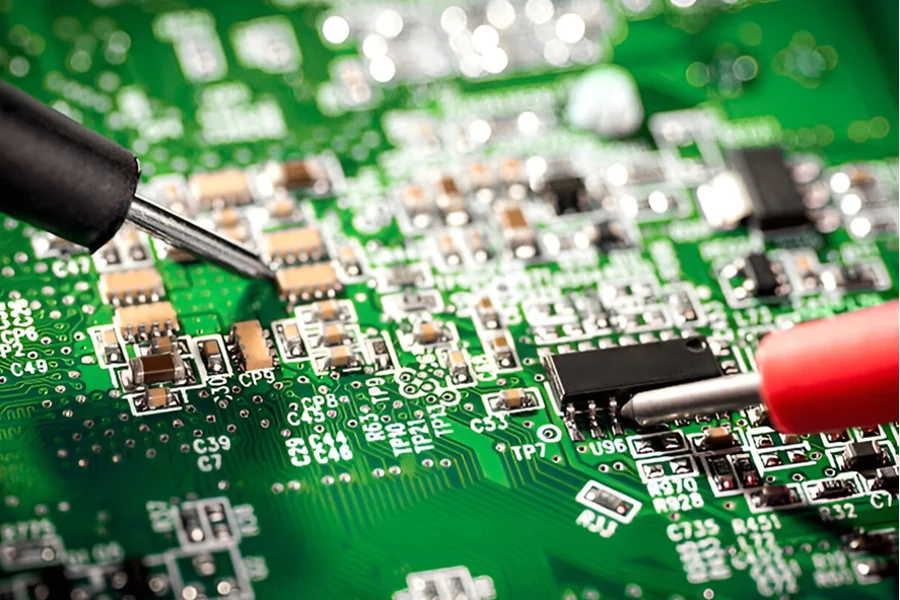
In the era of 5G, high-speed internet, and cloud-based communication networks, telecom PCB assembly plays a pivotal role in ensuring efficient, stable, and high-performance data transmission. Printed Circuit Boards (PCBs) form the foundation of telecommunication equipment—from mobile base stations and routers to optical transceivers and satellites. The demand for advanced PCB assemblies has never been higher, as telecom applications require boards that can handle high frequencies, high power, and exceptional signal integrity. The growing complexity of communication systems means telecom PCBs must be designed and assembled with precision, reliability, and compliance to international standards.
Understanding Telecom PCB Assembly
Telecom PCB assembly refers to the process of fabricating and assembling circuit boards specifically designed for telecommunications equipment. These boards are engineered to support high-speed data transfer, low signal loss, and enhanced durability, which are essential for maintaining uninterrupted communication.
Telecom PCBs typically use specialized materials such as Rogers, Taconic, PTFE, and high-TG FR4 laminates, all of which offer excellent dielectric properties and thermal stability. The assembly process involves precision soldering, advanced component placement, and multi-layer fabrication to accommodate the dense circuitry required for telecom systems.
Given the high performance demands of telecom infrastructure, every component—from resistors and ICs to connectors and RF modules—must be mounted with utmost accuracy. The design must also minimize crosstalk, impedance mismatches, and electromagnetic interference (EMI), all of which can degrade signal quality in communication networks.
The Importance of Telecom PCB Assembly in Modern Communication
The world’s communication infrastructure depends heavily on reliable telecom PCB assembly. From mobile networks and broadband services to data centers and satellite systems, PCBs ensure signal flow and data integrity. The quality of PCB assembly directly influences the speed, stability, and reliability of these systems.
As telecom devices continue to evolve, PCBs must support high-speed processors, miniaturized components, and multi-functional circuits. With 5G technology rolling out globally, telecom boards now need to support extremely high frequencies—often exceeding 10GHz—while maintaining consistent performance. Advanced assembly techniques, including microvia drilling, laser drilling, and HDI (High-Density Interconnect) designs, have become standard in telecom applications.
Moreover, thermal management is a critical factor. Telecom boards must operate continuously under heavy data loads and varying environmental conditions. Using materials with excellent heat dissipation and proper soldering methods ensures long-term reliability.
Key Components and Materials Used in Telecom PCB Assembly
The efficiency and durability of telecom PCBs depend largely on the materials and components used. The base materials often include:
- Rogers or PTFE substrates for superior high-frequency performance
- FR4 or high-TG laminates for cost-effective yet durable designs
- Copper foils for high conductivity and effective power distribution
- ENIG, HASL, or Immersion Silver surface finishes for better solderability and corrosion resistance
Components used in telecom PCB assembly include microprocessors, transceivers, memory chips, power amplifiers, and antennas. Each part must be positioned accurately to ensure signal clarity and minimal interference.
Applications of Telecom PCB Assembly
Telecom PCB assemblies are integral to numerous communication devices and systems, including:
- 5G Base Stations: PCBs designed for radio frequency and signal processing functions.
- Optical Fiber Equipment: Boards that manage high-speed light signal transmission and conversion.
- Routers and Switches: Control and manage data routing across networks.
- Microwave Systems: PCBs that support high-frequency microwave transmission.
- Communication Satellites: High-reliability PCBs used for space-grade performance and stability.
These assemblies must meet stringent standards for performance, heat resistance, and durability since telecom systems often run 24/7 without interruption.
Manufacturing and Assembly Process
-
Design and Material Selection
The process starts with selecting materials that suit the operational frequency and environment of the telecom application. High-frequency laminates and copper thickness are chosen based on signal and power requirements.
-
Layer Stack-Up and PCB Fabrication
Telecom PCBs often have multiple layers to support high-speed signals and complex routing. The stack-up design ensures impedance control and proper isolation between layers to reduce signal interference.
-
Component Mounting and Soldering
The assembly uses both Surface Mount Technology (SMT) and Through-Hole Technology (THT) for component placement. Automated pick-and-place machines ensure precision, followed by reflow soldering for SMT parts and wave soldering for through-hole components.
-
Quality Inspection and Testing
Every telecom PCB undergoes rigorous testing to guarantee performance and reliability. These tests include Automated Optical Inspection (AOI), X-ray inspection, and In-Circuit Testing (ICT). Boards are also tested for signal integrity, impedance accuracy, and thermal stability.
Benefits of Professional Telecom PCB Assembly
- High Performance: Ensures stable signal transmission even at high frequencies.
- Durability: Withstands high temperatures and environmental stress.
- Precision Manufacturing: Reduces noise, EMI, and crosstalk.
- Scalability: Supports low-volume prototyping and high-volume production runs.
- Compliance: Meets telecom industry standards such as IPC, ISO, and RoHS.
Professional telecom PCB assembly not only enhances communication quality but also reduces system downtime and maintenance costs. It ensures that equipment can handle the increasing data demands of modern networks.
Conclusion
In the fast-paced world of telecommunications, precision and reliability define success. Telecom PCB assembly lies at the heart of this industry, enabling devices to function efficiently across global communication networks. From 5G infrastructure and optical fiber systems to microwave and satellite equipment, the demand for expertly assembled telecom PCBs continues to grow.
For businesses seeking reliable, high-quality, and cost-effective production, partnering with a trusted china one-stop pcb assembly service provider is the best step forward. Such partners combine advanced manufacturing technology, skilled engineering, and end-to-end quality control to deliver exceptional telecom PCBs that meet the highest international standards—ensuring your communication systems operate seamlessly and efficiently.
